9+ curated guides • Updated October 2025
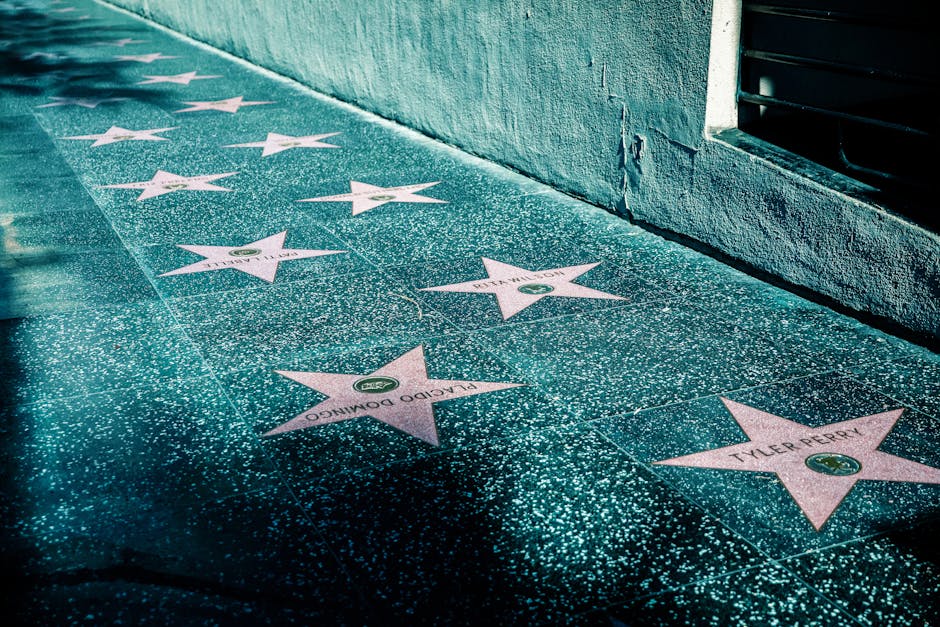
You know the face, but what's in the name? When Archibald Leach arrived in Hollywood, studios knew he needed a name with more star power, and 'Cary Grant' was born. This wasn't just a simple change; it was a calculated branding move, the first step in crafting an icon. We'll uncover the hidden world of celebrity names, exploring why the right moniker is one of the most powerful and deliberately chosen tools in the business of fame.
Scroll through any 'get ready with me' video or fashion haul on TikTok, and you'll see it: a flash of gold, a custom script, the unmistakable DBL nameplate necklace. But this isn't just another accessory trend that will fade by next season; it’s a key piece of a new digital uniform, a modern-day monogram that signals much more than just your name. It functions as a membership card to an online aesthetic, a subtle nod to being in-the-know. Before we dive into the cultural mechanics of this phenomenon, understand this: the DBL necklace isn't just being worn; it's being performed, broadcasted, and leveraged as a core component of a highly curated digital identity.
You see the giant '70% OFF!' banner and your pulse quickens. I used to see the internal memo about clearing out last year's models before January. As a former Best Buy employee, I can tell you Cyber Monday is a carefully designed game, and this is your cheat sheet to finally win. It’s not about finding a deal; it's about finding the right deal. Most of what's dangled in front of you is bait—low-quality, stripped-down models made specifically for the sales frenzy. The real treasures are hidden in plain sight, but you have to know the map. Forget the front-page doorbusters. We’re going off-road into the categories and product conditions that corporate hopes you'll overlook while you're mesmerized by a cheap 4K TV with the processing power of a potato. This is the playbook they don't want you to have.
Everyone thinks a cruise ship job is about escaping the real world for a while. But what if it's the ultimate training ground for it? We'll show you how the high-pressure, customer-centric environment on a luxury Celebrity cruise is the perfect, unconventional internship for a future you've never even considered. After a decade at sea, rising through the ranks to a senior officer position, I saw it firsthand. My colleagues weren't just running a ship; they were unknowingly earning a practical MBA in management, logistics, and crisis control. When I made the leap to a boardroom on the 40th floor, the transition was surprisingly seamless. The skills I honed in the middle of the Atlantic were the exact ones my land-based peers were still learning in theory. Forget the escape fantasy; a tour of duty on a Celebrity ship is a career accelerator.
You stare at a closet packed with clothes, yet feel like you have nothing to wear. The solution isn't another shopping spree; it's a strategic shift in thinking. What if five key accessories could unlock hundreds of new outfits from the very clothes you already own, making you look more polished while saving you money? Most people treat accessories as an afterthought—a frivolous expense. This is a portfolio management error. These items aren't costs; they are high-leverage assets that multiply the value of your core wardrobe. By acquiring the right pieces, you're not just decorating an outfit; you're fundamentally altering its utility and impact. We will analyze five specific 'securities' for your style portfolio: the structured belt, the silk scarf, classic minimalist jewelry, the versatile shoulder bag, and timeless sunglasses. It's time to stop spending and start investing.
You've seen its iridescent shimmer on antique jewelry and the fretboard of a guitar. But the true power of mother of pearl isn't its beauty—it's its nearly indestructible microscopic design. Scientists are now looking past the glow and into this ancient biological blueprint to engineer the toughest, lightest materials humanity has ever seen. Also known as nacre, this material is the inner lining of mollusk shells, nature's own composite armor. It's 95% brittle chalk (aragonite) and 5% soft organic polymer, a combination that by all rights should be fragile. Yet, nacre is thousands of times tougher than its constituent parts. The secret isn't what it's made of, but how it's assembled. This article deconstructs that architectural genius and explores how labs across the globe are racing to mimic it, unlocking a future of materials that can bend without breaking and stop projectiles in their tracks.
Before DMs, there were friendship bracelets. Before curated feeds, there was the Caboodle, a private fortress of glittery identity. We remember 90s accessories as fun, disposable trends, but what if they were something more? This is the story of how butterfly clips, puka shells, and slap bracelets were the essential, analog tools we used to build our tribes and survive our teens. In a world without the internet's social safety net (and its corresponding pressures), these physical artifacts did the heavy lifting of identity formation, alliance signaling, and social navigation. They were our hardware for the software of adolescence.
Think back to the style of 2022. It wasn't just the return of low-rise jeans; it was the year the belt roared back as a non-negotiable statement piece. But this was more than a trend—it was a cultural broadcast from our waistlines, signaling a collective craving for both uninhibited expression and structured control in a post-pandemic world. As a fashion sociologist, I observed this not as a fleeting fad, but as a powerful, non-verbal dialogue about who we were becoming after a period of profound global stasis. The belts of 2022 were our chosen armor, our decorative flourishes, and our psychological anchors, all buckled up for the world to see.
Ever feel like your online shopping feed is stuck on a loop, showing you the same five necklace styles and a slightly different version of that handbag everyone already owns? You're not imagining it; you're trapped in a 'style bubble' created by algorithms designed to sell you more of what you've already seen. But what if the most unique, truly 'you' accessories are hiding just outside that bubble, waiting to be discovered? This isn't just about shopping smarter; it's about reclaiming your digital identity and personal style from the machines that think they know you best.